
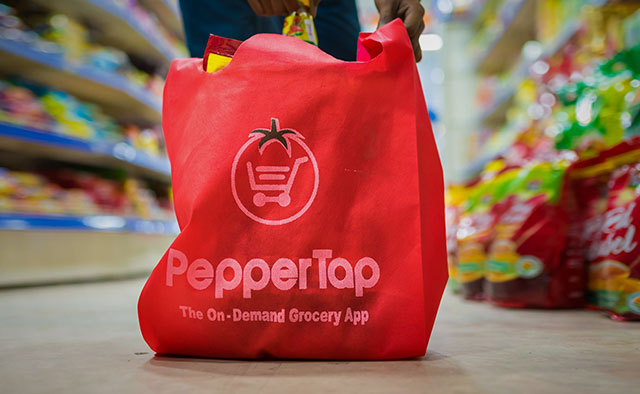
Imagine ordering fresh vegetables, milk, and daily items on your phone and getting them delivered in just 30-60 minutes. Sounds perfect for busy families in Indian cities, right?
Many people loved the idea. But one startup turned this dream into a nightmare. They raised over $50 million from big investors, grew super fast across many cities, and then shut down in less than two years. Customers were left disappointed, employees lost jobs, and the founders learned hard lessons.
This is the real story of PepperTap – told in simple, everyday language. You will see exactly what went wrong, why it matters for every Indian entrepreneur, and the clear lessons you can use to build a stronger startup. Let’s read it step by step.
The Beginning: A Simple Problem in Indian Homes
In 2014, three young friends – Milind Sharma, Navneet Singh, and others – saw a common problem in Indian cities like Delhi, Mumbai, and Gurgaon. People hated going to the local kirana store every day for milk, bread, fruits, and vegetables. Traffic, long queues, and heavy bags made life difficult.
They thought: Why not create a mobile app where you order groceries and get them delivered quickly from nearby stores? No need to own big warehouses. Just connect local shops with customers through technology. It would save time and make life easier for middle-class families.
The idea looked strong. India’s smartphone users were growing fast. People were already ordering food from Swiggy and Zomato. Why not groceries?
The same mistake done by this start up….Read full story.
Investors liked the team and the vision. PepperTap quickly raised millions of dollars. They hired many employees, built a good app, and started operations in several cities.
The Fast Growth and Big Hype
PepperTap moved very quickly. They offered huge discounts and cashback to attract customers. “Order now and get it in under an hour!” became their promise. The app was easy to use. Delivery boys on bikes rushed around busy streets.
For some time, it felt like success. Orders poured in. The company expanded to more cities. Media called it one of the promising startups in the hyperlocal delivery space. Founders were confident. Investors poured in more money because everyone believed online grocery was the next big thing in India.
But behind the scenes, problems were growing.
The Cracks Appear: Losses Everywhere
Every delivery was losing money. The company gave heavy discounts to bring in customers, but the cost of picking items from different stores, paying delivery boys, fuel, and app maintenance was very high. They did not own their own inventory, so controlling costs was difficult.
Orders got cancelled often because the local shop did not have the exact item. Customers got angry. Delivery times stretched beyond the promised one hour during peak times or rain.
Competition was fierce. Big players like BigBasket, Grofers (now Blinkit), and others were also fighting for the same customers. PepperTap tried to grow faster than them by spending more on ads and discounts. But this made losses even bigger.
In early 2016, the reality hit hard. The company was burning cash at a scary speed. Investors became careful and stopped giving easy money. The founders tried to cut costs, but it was too late. In April 2016, PepperTap announced it was shutting down operations. Many employees suddenly lost their jobs. Customers who had money in their wallets were told to use it quickly or lose it.
The dream ended fast.
The Main Mistake PepperTap Made
The biggest mistake was scaling too fast without a profitable business model.
They focused on rapid growth and customer numbers instead of making sure each delivery made money or at least broke even. They gave too many discounts without thinking about long-term profits. They entered many cities at once without testing deeply in one or two cities first.
Other mistakes that added up:
- They relied on local kirana stores but could not control the quality or availability of products.
- Heavy cash burn on marketing and discounts without building customer loyalty that would pay full price later.
- Underestimated how difficult last-mile delivery is in crowded Indian cities with traffic and weather issues.
- Did not build a strong difference from competitors – the app was good but not unique enough.
5 Simple Lessons Every Indian Startup Founder Should Remember
- Test small before growing big Start in one city or area. Make sure your model makes profit there. Only then expand. Fast growth looks exciting but can kill your company if the basics are weak.
- Focus on unit economics, not just user numbers Ask this question every month: “Am I making or losing money on each order?” Discounts are okay in the beginning, but you must have a clear plan to reduce them later.
- Keep your business model simple and strong If depending on local shops creates too many problems (cancellations, quality issues), think again. Sometimes owning a small inventory or partnering smarter is better.
- Listen to real customer feedback early Talk to customers every week. Fix delivery problems and product availability before spending millions on ads.
- Be careful with investor money Money from VCs is helpful, but it comes with pressure to grow fast. Use it wisely. Build a business that can survive even if funding slows down.
Why This Story Is Still Important for Indian Startups Today
In India, the startup ecosystem is full of energy. Many young founders dream of quick success with apps for delivery, food, education, or e-commerce. PepperTap’s story shows that big funding and good ideas are not enough. You need strong execution, patience, and a clear path to profit.
Many startups still make the same mistake – they copy successful companies but forget to check if their own numbers add up. Whether you are building something in grocery, fashion, health, or any field, remember: sustainable growth beats fast but risky growth.
What do you think? Have you faced cash burn or scaling problems in your own business or job? Have you ordered from quick commerce apps and seen the challenges? Share your thoughts or experiences in the comments below. Let’s learn from each other.
If you are planning to start or grow a business in 2026, save this story. Share it with your team or co-founders. The biggest win is not avoiding failure completely – it is learning quickly and building smarter.
Failure is painful, but the lessons from PepperTap can help you create something that lasts.